

 Weighing Scale
  Moisture Analyzers
 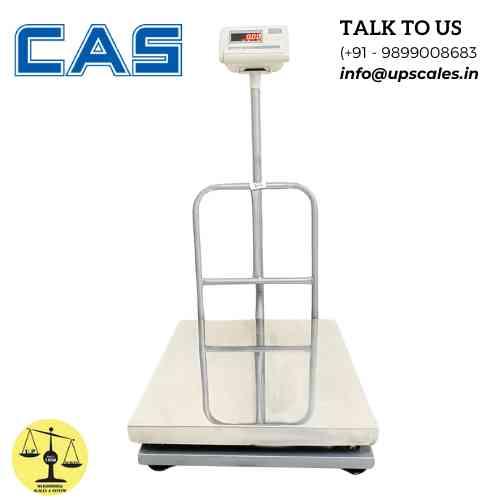 CAS Weighing Scale
  Aczet Weighing Machines
  Adam Equipment
  Sartorius
  Mettler Toledo
  Essae Weighing Scales





 1 Year Warranty
 Delivery Charges Actual
 Payments Will Only Be Accepted via - Cash/Bank Transfer/UPI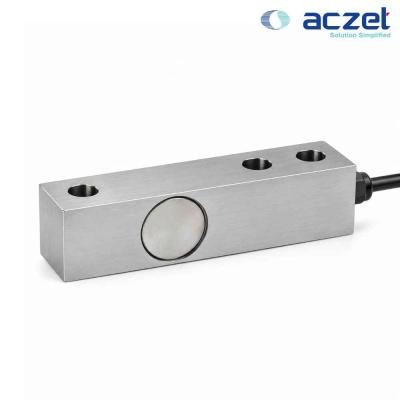
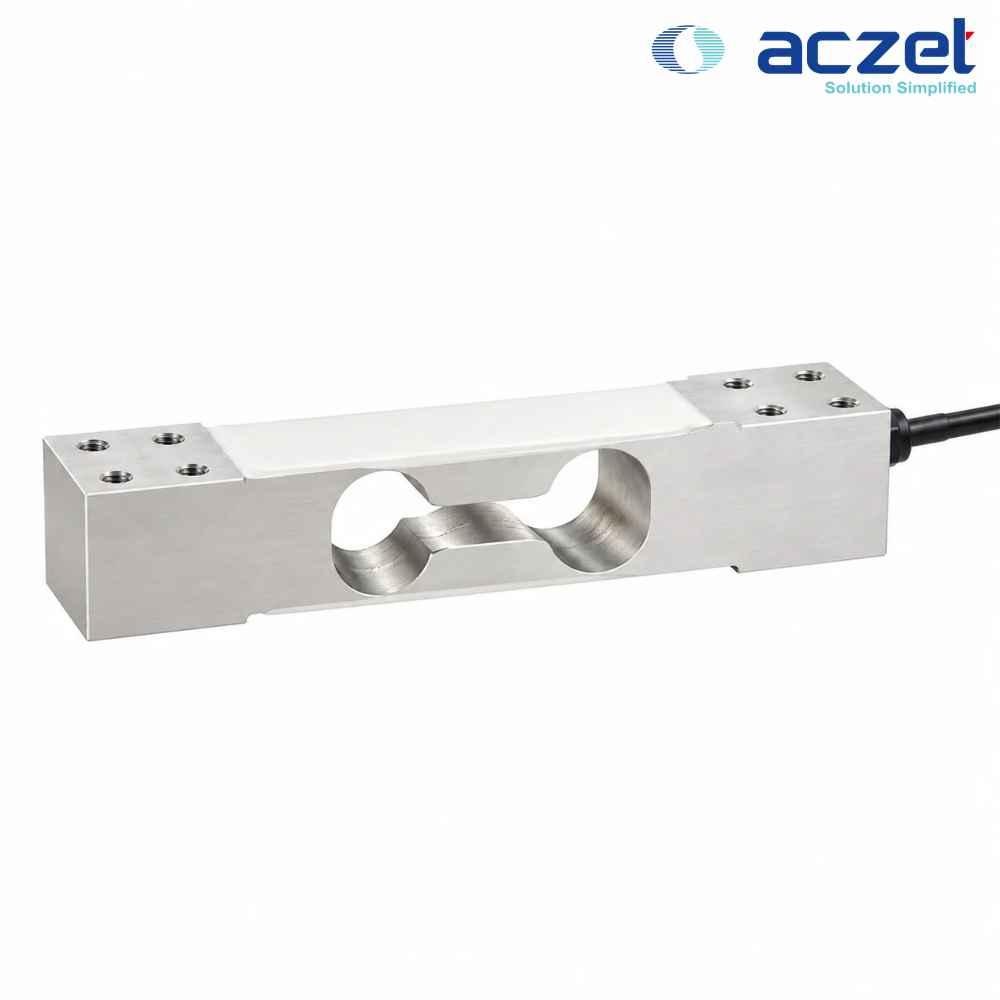
Single Point Load Cell: The Versatile Sensor for Accurate Platform Weighing
When you place an item on a digital platform scale, you expect the weight to read correctly regardless of where you position it on the pan. You may not realize it, but this convenient, user-friendly experience is made possible by a clever piece of engineering called the single point load cell. It is the unsung hero behind countless retail scales, bench scales, checkweighers, and counting scales that we encounter every day.
At UP Scales, we supply single point load cells engineered for accuracy, reliability, and ease of integration. Available in capacities from 10 kg to 120 kg (with higher ranges also available), these load cells are the ideal solution for platform scale manufacturers, OEM integrators, and businesses looking to build or repair their own weighing systems. Whether you are designing a new retail scale or replacing a worn-out sensor in a counting scale, our single point load cells deliver the performance your application demands.
What is a Single Point Load Cell?
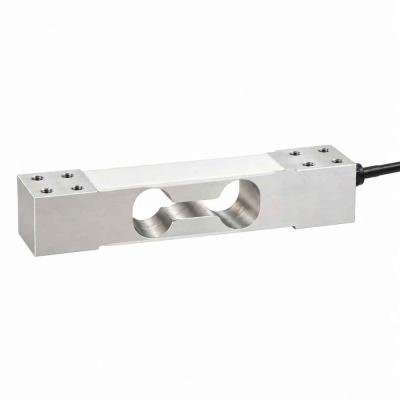
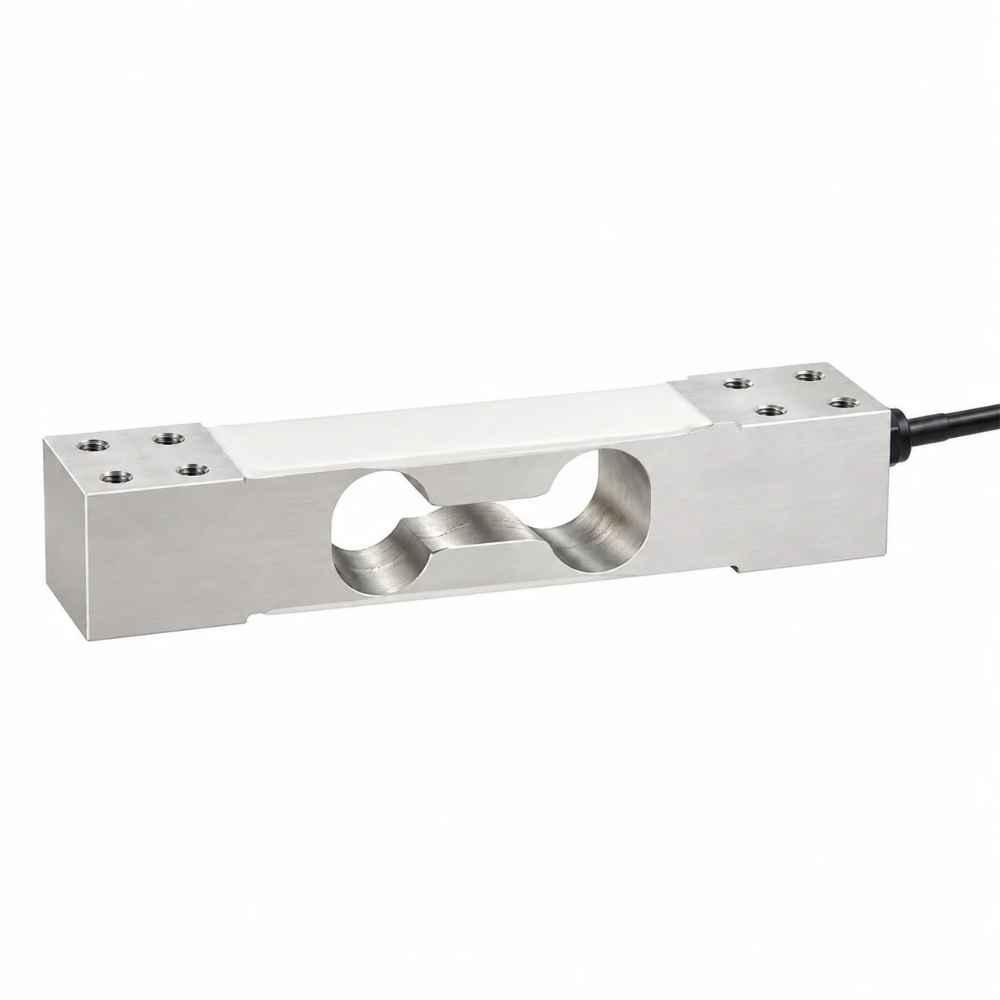
A single point load cell—also known as a platform load cell or off-center load cell—is a precision force sensor designed specifically for applications where the load may not always be placed perfectly in the center of the weighing platform . Unlike other load cell types that require the load to be precisely aligned to maintain accuracy, single point load cells are engineered with a unique geometric structure that accommodates off-center loading without introducing measurement errors .
This remarkable capability means that a platform scale can be built using just one load cell instead of multiple cells positioned at each corner. The result is a simpler, more cost-effective design that is easier to manufacture and maintain.
How Does a Single Point Load Cell Work?
The operating principle of a single point load cell is based on strain gauge technology, the same foundation used by most modern load cells.
Inside the load cell body, there is a precisely machined inner aperture—a geometrically shaped cut-out that is visually distinctive and functionally critical . This aperture creates areas of controlled thickness within the metal body. When a load is applied to the platform, the load cell body undergoes a slight, controlled deformation. Strain gauges bonded to strategic locations on the body detect this deformation by measuring changes in their electrical resistance. These resistance changes are converted into an electrical signal proportional to the applied weight.
The magic of the single point design lies in its parallelogram structure, which ensures that the load is always transferred vertically to the sensing element, even when the weight is placed off-center . This built-in corner load compensation is what allows a single load cell to accurately measure loads placed anywhere on the platform.
Why Choose a Single Point Load Cell?
A single point load cell—also known as a platform load cell or off-center load cell—is a precision force sensor designed specifically for applications where the load may not always be placed perfectly in the center of the weighing platform . Unlike other load cell types that require the load to be precisely aligned to maintain accuracy, single point load cells are engineered with a unique geometric structure that accommodates off-center loading without introducing measurement errors.
This remarkable capability means that a platform scale can be built using just one load cell instead of multiple cells positioned at each corner. The result is a simpler, more cost-effective design that is easier to manufacture and maintain.
How Does a Single Point Load Cell Work?
The operating principle of a single point load cell is based on strain gauge technology, the same foundation used by most modern load cells.
Inside the load cell body, there is a precisely machined inner aperture—a geometrically shaped cut-out that is visually distinctive and functionally critical. This aperture creates areas of controlled thickness within the metal body. When a load is applied to the platform, the load cell body undergoes a slight, controlled deformation. Strain gauges bonded to strategic locations on the body detect this deformation by measuring changes in their electrical resistance. These resistance changes are converted into an electrical signal proportional to the applied weight.
The magic of the single point design lies in its parallelogram structure, which ensures that the load is always transferred vertically to the sensing element, even when the weight is placed off-center. This built-in corner load compensation is what allows a single load cell to accurately measure loads placed anywhere on the platform.
Why Choose a Single Point Load Cell?
Accurate Off-Center Loading
The defining advantage of a single point load cell is its ability to deliver accurate readings regardless of where the load is placed on the platform. This eliminates the need for operators to carefully center items, reducing human error and speeding up weighing operations. For retail environments, busy production lines, and any application where speed and convenience matter, this is an invaluable feature.
Simplified Scale Design
Because a single point load cell can handle off-center loads on its own, you do not need to use multiple load cells to build a platform scale. This simplifies the mechanical design, reduces component count, lowers assembly costs, and makes the scale easier to manufacture and service.
Compact and Low Profile
Single point load cells are typically compact and low-profile, making them easy to integrate into scales with limited space. Their flat, elongated shape allows for sleek, modern scale designs that are both functional and aesthetically pleasing.
Versatile Capacity Range
Single point load cells are available in a wide range of capacities, from 1 kg up to 1,000 kg or more. This versatility means there is a single point load cell suitable for virtually any platform weighing application, from delicate laboratory balances to heavy-duty industrial floor scales.
Available Capacities: 10 kg, 50 kg, 120 kg, and Beyond
We supply single point load cells in a comprehensive range of capacities to match your specific application. The most commonly requested configurations include:
| Capacity | Typical Applications |
|---|---|
| 10 kg | Small retail scales, postal scales, jewelry scales, counting scales |
| 50 kg | Bench scales, checkweighers, packaging machines, general industrial weighing |
| 120 kg | Medium platform scales, baggage scales, process weighing systems |
| Higher Capacities | Larger platform scales, industrial floor scales (up to 1,000 kg and beyond) |
All capacities feature the same precision engineering and reliable performance that make single point load cells the preferred choice for platform weighing applications.
Technical Specifications
While exact specifications vary by capacity and model, our single point load cells share a common set of performance characteristics:
| Parameter | Typical Specification |
|---|---|
| Type | Single Point (Platform / Off-Center) |
| Capacities Available | 10 kg, 50 kg, 120 kg (and other ranges) |
| Material | Anodized Aluminum Alloy (standard), Stainless Steel (optional for harsh environments) |
| Ingress Protection | IP65 (standard), IP67 (stainless steel versions) |
| Accuracy Class | OIML R60 C3 (select models) |
| Output Sensitivity | 2.0 ± 0.1 mV/V |
| Combined Error | ≤ ±0.02% F.S. |
| Repeatability | ≤ ±0.01% F.S. |
| Creep (30 minutes) | ≤ ±0.02% F.S. |
| Safe Overload | 150% of rated capacity |
| Ultimate Overload | 200-300% of rated capacity |
| Compensated Temperature | -10°C to +40°C |
| Operating Temperature | -20°C to +60°C |
| Excitation Voltage | 5-12V DC (recommended), 15V DC (maximum) |
These specifications ensure that your load cell delivers high accuracy and stability across its entire operating range.
Material Selection: Aluminum vs. Stainless Steel
Choosing the right material for your single point load cell is critical for long-term reliability. Here is a comparison to help you decide:
| Criterion | Aluminum | Stainless Steel |
|---|---|---|
| Cost | Lower | Higher |
| Weight | Lighter | Heavier |
| Corrosion Resistance | Adequate for dry indoor environments | Excellent for washdown, food processing, and outdoor exposure |
| IP Rating (Typical) | IP65 | IP67 or higher |
| Best Applications | Retail scales, counting scales, OEM modules, general bench weighing | Food/beverage, pharmaceutical, chemical, outdoor installations |
For indoor, dry, and cost-sensitive applications, anodized aluminum provides excellent performance at lower cost. If the operating environment involves water, chemicals, or sanitation requirements, stainless steel is the safer choice.
Applications: Where Single Point Load Cells Excel
Retail and Commercial Scales
Single point load cells are the most widely used load cell type in retail scales. From supermarket checkout scales to deli counters and produce scales, these load cells ensure accurate weighing regardless of how items are placed on the platform.
Bench Scales and Counting Scales
For bench scales used in warehouses, workshops, and laboratories, single point load cells provide the accuracy and reliability needed for parts counting, quality control, and general weighing.
Checkweighers
In packaging and production lines, checkweighers rely on single point load cells to rapidly verify that products meet weight specifications. The off-center loading capability ensures accurate readings even when products are moving on a conveyor.
Packaging Machines
Single point load cells are integrated into packaging machines for precise filling and dosing applications, ensuring that each package contains the correct amount of product.
Laboratory Balances
For laboratory applications requiring high precision, single point load cells provide the stable, accurate measurements essential for research and quality control.
Installation Considerations
Proper installation is essential for getting the best performance from your single point load cell. Key considerations include:
- Mounting Surface: The mounting surface must be flat, rigid, and hardened. Both the base and platform attachment surfaces should be machined flat.
- Platform Size: Do not exceed the model's rated platform dimensions. Oversized platforms can degrade off-center accuracy .
- Platform Rigidity: A flexible platform can deflect under load and redistribute stress incorrectly. Use sufficient material thickness and stiffening ribs if needed.
- Orientation: Mount with the load arrow pointing in the correct direction. Most single point cells are top-loaded with the platform attached to the free end.
- Cable Protection: Route the cable away from heat, sharp edges, and power lines. Use strain relief at the cable exit.
- Leveling: Ensure the base and platform are level. An unlevel system introduces a cosine error that reduces accuracy.
Our team at UP Scales can provide guidance on selecting the right load cell and mounting accessories for your specific application.
Why Buy from UP Scales?
As a trusted supplier of industrial weighing components, UP Scales offers:
- Genuine Products: All load cells are sourced from reputable manufacturers and meet stringent quality standards.
- Application Support: We help you select the correct capacity and configuration for your weighing system.
- Competitive Pricing: Direct pricing without unnecessary markups.
- Technical Guidance: Our team can advise on installation, calibration, and troubleshooting.
Whether you are building a new platform scale, repairing an existing unit, or integrating load cells into an OEM system, we have the right solution for your needs.
Type Single Point (Platform / Off-Center)
Capacities Available 10 kg, 50 kg, 120 kg (and other ranges)
Material Anodized Aluminum Alloy (standard), Stainless Steel (optional for harsh environments)
Ingress Protection IP65 (standard), IP67 (stainless steel versions)
Accuracy Class OIML R60 C3 (select models)
Output Sensitivity 2.0 ± 0.1 mV/V
Combined Error ≤ ±0.02% F.S.
Creep (30 minutes) ≤ ±0.02% F.S.
Safe Overload 150% of rated capacity
Ultimate Overload 200-300% of rated capacity
Compensated Temperature -10°C to +40°C
Operating Temperature -20°C to +60°C
A single point load cell is designed for platform scales and can accurately measure off-center loads, allowing a scale to be built with just one load cell. A shear beam load cell is typically used in multiple-cell configurations for larger platforms and weighbridges, where loads are distributed across several sensors. Single point load cells are ideal for smaller platforms and simpler designs
We supply single point load cells in capacities ranging from 10 kg to 120 kg as standard, with higher capacities available up to 1,000 kg or more. The most common configurations are 10 kg, 50 kg, and 120 kg
Off-center loading refers to the ability of a load cell to accurately measure weight even when the load is not placed precisely in the center of the platform. Single point load cells are specifically designed with internal corner load compensation to handle this, ensuring accurate readings regardless of item placement.
Choose anodized aluminum for indoor, dry environments and cost-sensitive applications. Choose stainless steel for washdown environments, food processing, pharmaceutical applications, or outdoor installations where corrosion resistance is essential.
Stainless steel single point load cells with IP67 or higher protection are suitable for washdown environments. Aluminum versions with IP65 protection are suitable for damp environments but not direct high-pressure washdown.
Signs that a load cell may need replacement include drifting readings, unstable weight display, inaccurate measurements, or physical damage. If calibration does not resolve the issue, the load cell may need to be replaced. Our team can help diagnose the problem and recommend a suitable replacement.