Calibration Weight Selection Tool
Instantly determine the exact OIML calibration weight class (E2, F1, F2, M1, M2) and required mass needed to accurately calibrate your weighing scales and balances.
Select Parameters
Recommended Setup
OIML Accuracy Class:
Target Weight:
Suggested Combination:
Calibration Method:
Calibration Weight Selection Guide
Choosing the correct calibration weight is critical for maintaining accurate measurements in laboratories, jewellery shops, and industrial environments. This tool follows legal metrology standards to suggest the optimal mass and OIML class.
OIML Class Selection Chart
The required accuracy class directly depends on the readability (least count) of your weighing instrument:
| Scale Readability | Required OIML Class | Common Application |
|---|---|---|
| 0.001gm (1mg) | E2 | High-precision Analytical Balances |
| 0.01gm (10 mg) | F1 | Jewellery Scales, Pharma Labs |
| 0.1gm (100 mg) | F2 | Precision Checkweighing |
| 1gm | M1 | Retail Scales, Table Top Scales |
| 10gm or more | M2 / M3 | Heavy Duty Platform Scales, Crane Scales |
How much weight is needed to calibrate a scale?
Industry best practices dictate that you should calibrate your scale using a test weight that is between 50% and 100% of the scale's maximum capacity. For example, a 30kg scale should ideally be calibrated with a 15kg or 20kg standard weight.
What are Cast Iron Weights used for?
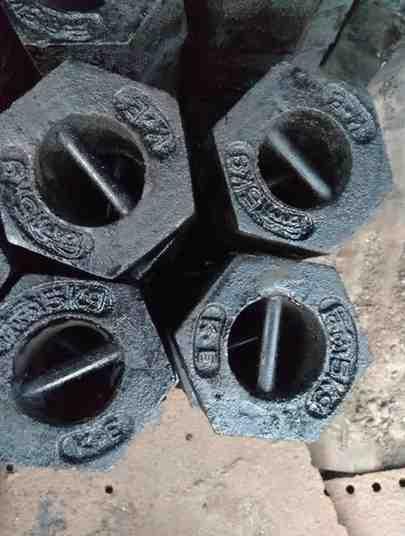
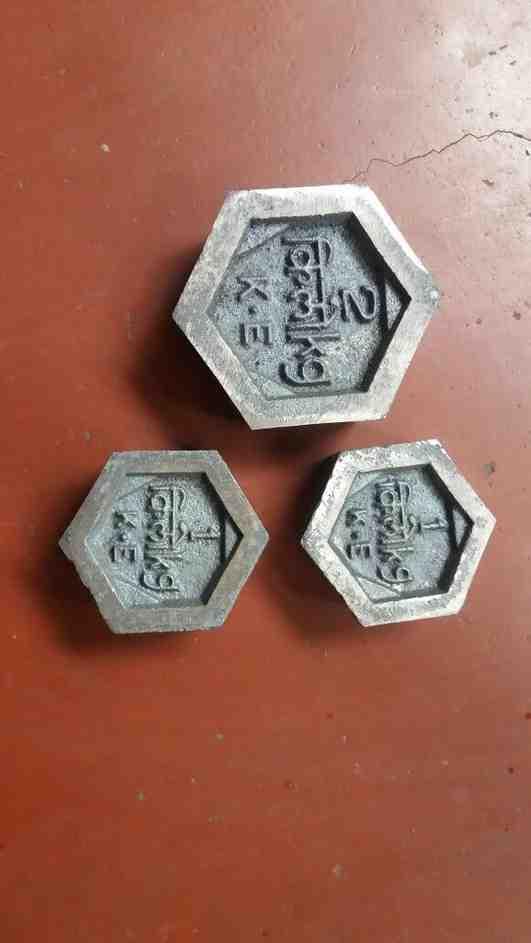
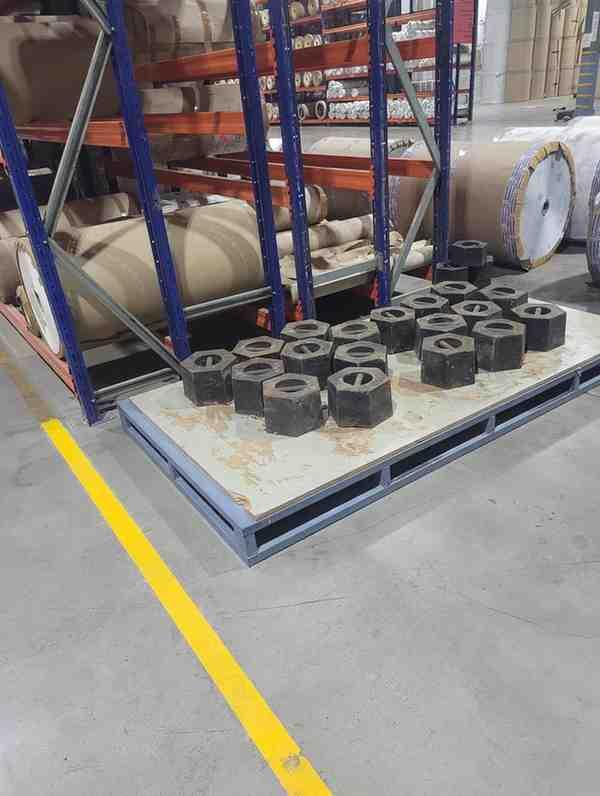
Cast iron test weights (usually M1 or M2 class) are heavy-duty weights used for calibrating industrial scales, platform scales, weighbridges, and heavy-capacity retail scales where extreme E2/F1 precision is not required.
Certified Standard Calibration Weights
Browse our selection of highly accurate, legally compliant test weights for commercial and industrial use.