

 Weighing Scale
 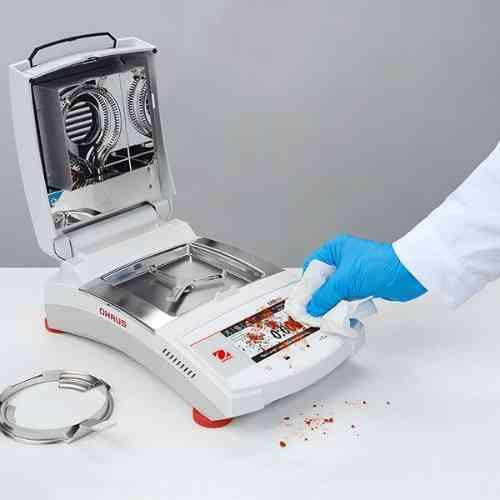 Moisture Analyzers
  CAS Weighing Scale
  Aczet Weighing Machines
  Adam Equipment
  Sartorius
  Mettler Toledo
  Essae Weighing Scales





The Ultimate Guide to Electronic Weighing Scales: Types, Uses, and Buying Tips
 By Manish Sharma 1 year ago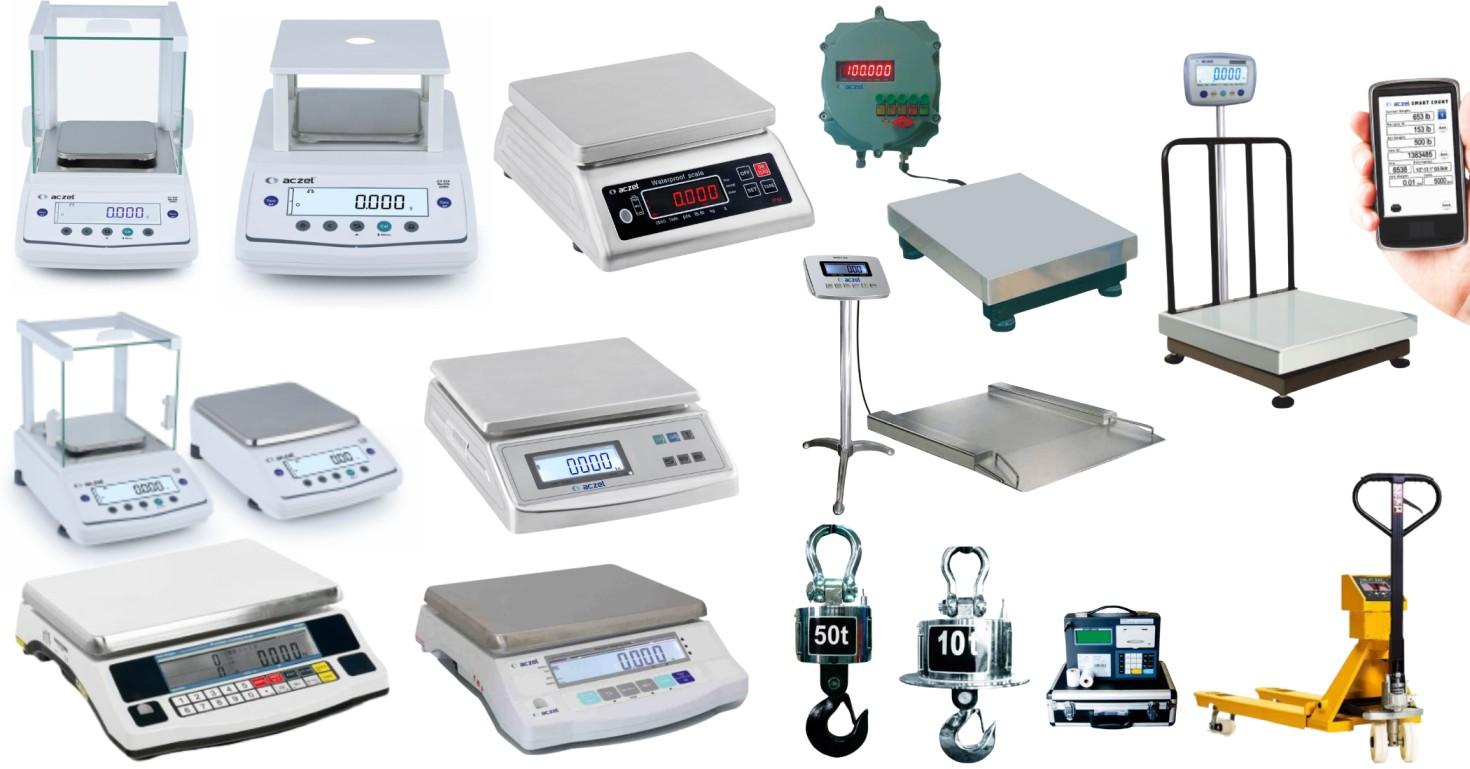
In today's fast-paced world, precision and accuracy in measurements are crucial across various industries—be it retail, healthcare, logistics, or manufacturing. Electronic weighing scales have revolutionized weight measurement, offering superior accuracy, durability, and advanced features compared to traditional mechanical scales.
If you're looking for high-quality electronic weighing scales , you've come to the right place. In this comprehensive guide, we’ll explore different types of electronic scales, their applications, key features to consider, and tips for choosing the best one for your needs.
1. What is an Electronic Weighing Scale?
An electronic weighing scale is a digital device that measures the weight of an object using load cells or strain gauge technology. Unlike mechanical scales, electronic scales provide precise readings, often with additional functionalities like tare function, unit conversion, and data connectivity.
Key Components of an Electronic Weighing Scale:
Load Cell: Converts force into an electrical signal.
Strain Gauge: Measures deformation caused by weight.
Digital Display: Shows weight readings clearly.
Microprocessor: Processes data for accurate results.
Battery/Power Source: Ensures portability and uninterrupted operation.
2. Types of Electronic Weighing Scales & Their Applications
Electronic scales come in various types, each designed for specific purposes. Here’s a breakdown of the most common ones:
A.) Digital Kitchen Scales
Use Case: Perfect for cooking, baking, and portion control.
Features: Tare function, unit conversion (grams, ounces, pounds), compact design.
Best For: Home cooks, professional chefs, and health-conscious individuals.
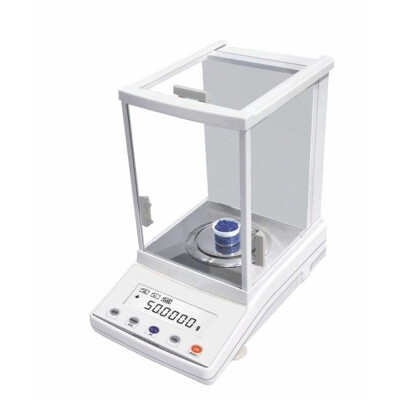
B.) Precision Laboratory Scales
Use Case: Scientific research, pharmaceuticals, and chemical measurements.
Features: High accuracy (up to 0.001g), anti-vibration technology, draft shields.
Best For: Laboratories, universities, and quality control departments.
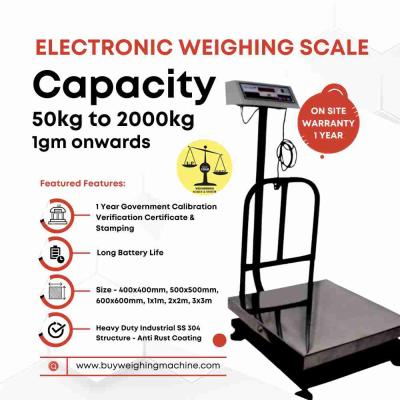
C.) Industrial Weighing Scales
Use Case: Heavy-duty weighing in factories, warehouses, and logistics.
Features: High capacity (up to several tons), rugged construction, overload protection.
Best For: Manufacturing units, shipping companies, and construction sites.
D.) Retail & Commercial Scales
Use Case: Supermarkets, grocery stores, and delis for pricing products by weight.
Features: Price computing, label printing, PLU (Price Look-Up) functionality.
Best For: Retailers, butchers, and farmers' markets.
E.) Health & Fitness Scales (Body Composition Analyzers)
Use Case: Monitoring body weight, BMI, muscle mass, and fat percentage.
Features: Bluetooth connectivity, mobile app integration, multiple user profiles.
Best For: Gyms, clinics, and home use.
F.) Jewelry & Gem Scales
Use Case: Weighing precious metals, gemstones, and small items.
Features: Ultra-precision (0.01g or better), calibration weights, compact size.
Best For: Jewelers, pawnshops, and gemologists.
3. Key Features to Look for in an Electronic Weighing Scale
When choosing the best digital weighing scale, consider the following factors:
Accuracy & Precision
Lab scales require 0.001g precision, while industrial scales may have ±1% tolerance.
Capacity & Readability
Small jewelry scales: Up to 500g
Industrial scales: Up to 10,000kg
Platform Size & Material
Stainless steel for durability (ideal for wet environments).
Large platforms for bulky items.
Power Options
Rechargeable batteries for portability.
AC adapters for continuous use.
Additional Functions
Tare Function: Deduct container weight.
Auto Calibration: Ensures long-term accuracy.
Data Connectivity: USB, Bluetooth, or Wi-Fi for data logging.
4. Benefits of Using Electronic Weighing Scales Over Mechanical Scales
Higher Accuracy – No manual errors due to parallax or spring wear.
Faster Readings – Instant digital display.
Multiple Units – Switch between grams, kg, lbs, oz with one button.
Durability – No moving parts mean less wear and tear.
Advanced Features – Counting mode , percentage weighing, and memory storage.
5. How to Maintain Your Electronic Weighing Scale for Longevity?
To ensure your scale remains accurate and lasts longer:
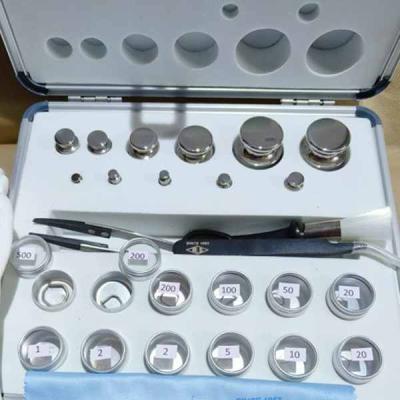
Calibrate Regularly – Use certified weights.
Keep It Clean – Wipe with a damp cloth; avoid harsh chemicals.
Avoid Overloading – Check the max capacity before use.
Store Properly – Keep in a dry, dust-free environment.
6. Where to Buy the Best Electronic Weighing Scales?
Looking for high-precision, durable, and affordable electronic weighing scales? Explore our wide range of:
Digital kitchen scales
Laboratory precision balances
Industrial heavy-duty scales
Retail POS scales
Body composition analyzers
We offer ISO-certified, CE-approved scales with warranty and after-sales support.
Final Thoughts
Electronic weighing scales are indispensable tools across industries, offering unmatched precision and efficiency. Whether you need a high-capacity industrial scale or a precision lab balance, choosing the right one depends on your specific requirements.
Looking for the best deals on electronic weighing scales? Browse our collection today and get expert recommendations based on your needs!
Why Choose Us?
🔹 Trusted Brand – Certified & tested for accuracy.
🔹 Wide Range – Scales for every application.
🔹 Competitive Pricing – Affordable without compromising quality.
🔹 24/7 Support – Assistance with calibration & troubleshooting.
Upgrade to a reliable electronic weighing scale today and experience precision like never before!
Categories
Trending Now