

 Weighing Scale
 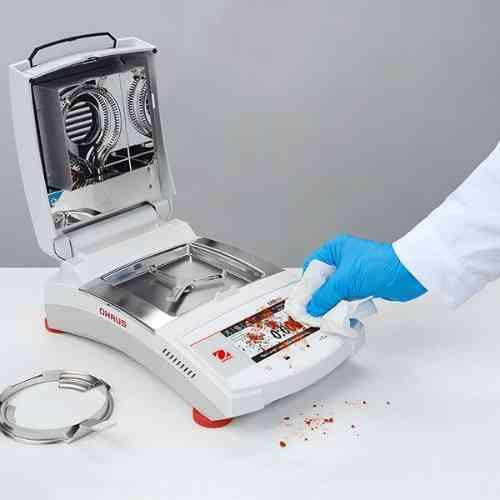 Moisture Analyzers
 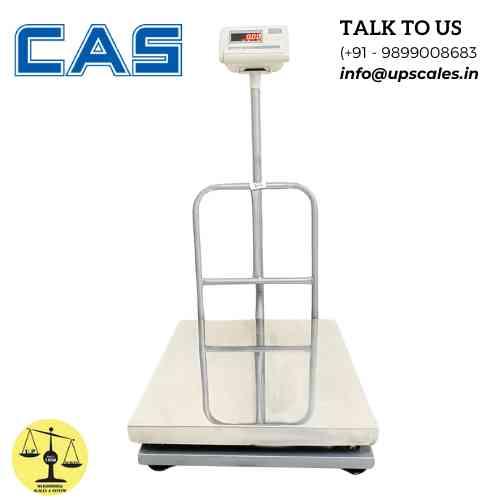 CAS Weighing Scale
  Aczet Weighing Machines
  Adam Equipment
  Sartorius
  Mettler Toledo
  Essae Weighing Scales





Fair Trade by Weight: Why "Legal for Trade" is Non-Negotiable
 By Manish Sharma 10 months ago
Imagine this: You sell scrap metal by the pound. A customer disputes a load, a state inspector shows up for a random check, and your scale fails. The result? A hefty fine, a forced shutdown, and a reputation for dishonesty that can tank your business.
This isn't a scare tactic; it's a reality for any business that uses weight as the basis for a financial transaction. In the world of commerce, fairness is enforced by law, and at the heart of that fairness is the Legal for Trade scale.
This isn't just another feature like parts counting or a big display. It's the foundational requirement for any scale involved in buying or selling. Let's break down what it truly means.
What Does "Legal for Trade" Actually Mean?
A "Legal for Trade" scale is one that has been tested, approved, and certified by a government-approval agency to meet strict standards for accuracy, durability, and security. In the United States and Canada, this approval is called NTEP (National Type Evaluation Program).
When you see an NTEP Certificate of Conformance (like "NTEP CC 20-123") for a scale model, it means:
- It's Accurate: The scale meets defined tolerance levels across its entire weighing range.
- It's Tamper-Resistant: Critical components are sealed to prevent unauthorized adjustment that could favor the buyer or seller.
- It's Repeatable: It will give the same result for the same weight under the same conditions.
- It's Officially Recognized: It can be used for commercial transactions subject to weights and measures laws.
Where is a Legal for Trade Scale REQUIRED by Law?
Any time money changes hands based on a weight measurement, the law typically requires an approved scale. Common examples include:
- Retail: Grocery store deli scales, farmer's market produce scales, coffee shops selling beans by weight.
- Shipping & Logistics: Scales used to determine shipping costs based on parcel or pallet weight.
- Waste & Recycling: Scales weighing incoming scrap metal, cardboard, or municipal waste for payment.
- Agriculture: Scales used to sell livestock, grain, or produce by weight.
- Industrial: Selling raw materials (plastics, chemicals, sand) or finished products by weight.
The simple rule: If you charge a customer by the pound, kilogram, ounce, or gram, you almost certainly need a legal-for-trade scale.
The High Cost of Non-Compliance
Using an uncertified scale for commerce isn't just "bending the rules." It's a serious business risk:
- Financial Penalties: State and local Weights & Measures officials can levy significant fines for each violation.
- Business Disruption: They can issue a "Stop-Use" order, shutting down your weighing operations until you get a compliant scale, costing you days or weeks of business.
- Civil Liability: If a customer can prove they were overcharged due to an inaccurate scale, you could be liable for refunds and damages.
- Reputational Damage: News of a violation spreads quickly and erodes the trust you've built with your customers.
NTEP vs. Non-NTEP: Can't I Just Use a Good Quality Scale?
You might think, "My high-quality industrial scale is very accurate. Isn't that enough?"
The answer is a firm no. Here’s why:
- The Certification Process: NTEP approval involves rigorous lab testing of the scale model under various environmental conditions (temperature, humidity, electrical interference) to ensure it performs accurately in real-world use. Your "accurate in the lab" scale hasn't undergone this.
- Seals and Security: NTEP-approved scales have official seals (like a lead and wire seal) that break if someone tries to tamper with the calibration. This provides a legal audit trail.
- Periodic Inspections: Legal-for-trade scales are subject to periodic inspections by a Weights and Measures official. They will check for the NTEP mark and the integrity of the seal. No mark? You fail.
How to Identify a Truly Legal for Trade Scale
Don't take a salesperson's word for it. Look for the physical marks:
- The NTEP Mark: Look for a sticker or etching on the scale that clearly states "NTEP" and provides the Certificate of Conformance number (e.g., "NTEP CC XX-XXX").
- The Capacity Plate: A metal tag on the scale stating its approved capacities and divisions.
- The Seals: Look for the official calibration seal from the company that last serviced it.
Your Responsibilities as the Owner
Buying an NTEP scale is just the first step. To stay compliant, you must:
- Have it Professionally Installed and Calibrated by a certified technician before first use.
- Schedule Regular Re-Certifications (typically annually, but frequency varies by state and use).
- Protect it from Abuse: Never overload it. Keep it clean and on a stable surface. Report any damage immediately.
- Keep Records: Maintain calibration certificates and service records for inspection.
The Bottom Line: It's the Foundation of Honest Business
A Legal for Trade scale is more than equipment; it's a statement of integrity. It protects your business from legal jeopardy, ensures you are conducting fair transactions, and builds unshakable trust with your customers. In commerce, trust is your most valuable asset. Protect it with the right tool.
Ensure your transactions are fair, legal, and trusted. Browse our full selection of NTEP Approved Scales for every commercial application, from retail to heavy industry.
Categories
Trending Now